A Visually Stunning British Period Drama That Moves Too Quickly Through Its Story
The 2001 BBC adaptation of Love in a Cold Climate is a production that period drama enthusiasts continue to appreciate for its lavish 1930s atmosphere, elegant costumes and wonderfully sharp British humor. Featuring an impressive ensemble cast, including Alan Bates and a young Rosamund Pike, the miniseries brings the privileged world of the English aristocracy to the screen with considerable visual charm. Yet, beneath its beautiful presentation lies one persistent weakness: a story so densely packed with events that it rarely has enough time to explore its characters in meaningful depth.

Directed by Tom Hooper, the production remains an appealing interpretation of Nancy Mitford’s celebrated literary world. However, its ambitious attempt to bring two substantial novels together in a relatively short television adaptation has left viewers divided over what it achieves and, perhaps more importantly, what it leaves behind.
The miniseries currently holds a 62% Popcornmeter rating on Rotten Tomatoes and an average score of 7.0 out of 10 on IMDb, reflecting a generally mixed but appreciative response.
An Ambitious Adaptation of Two Beloved Nancy Mitford Novels
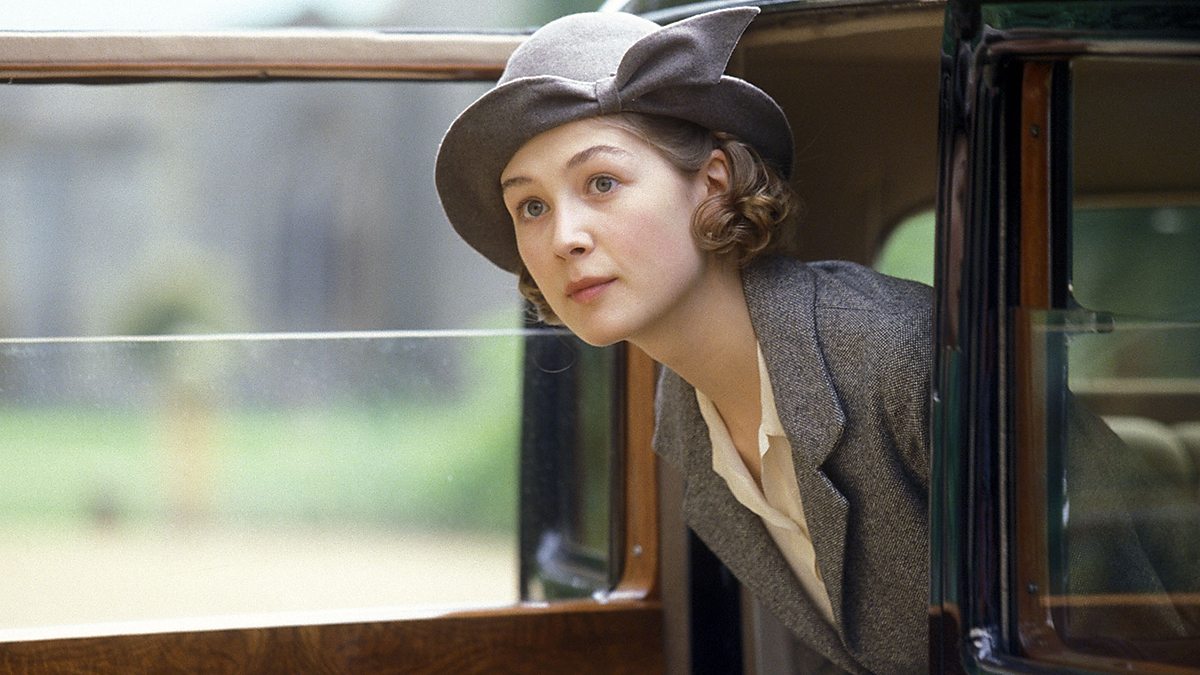
One of the biggest challenges facing the 2001 production was the decision to combine two of Nancy Mitford’s companion novels: The Pursuit of Love, published in 1945, and Love in a Cold Climate, published in 1949.
Both books are celebrated for their witty observations of British upper-class society, complicated romantic relationships and eccentric aristocratic characters. Their semi-autobiographical qualities also give the stories a distinctive intimacy, blending social satire with reflections on family, love and the expectations imposed by class.
Bringing both novels together in a television production lasting approximately 150 minutes was an ambitious undertaking. While the adaptation succeeds in introducing audiences to Mitford’s distinctive world, the limited running time inevitably creates difficulties.
Rather than allowing individual relationships and personal struggles to develop gradually, the narrative must move rapidly from one major event to another. The result is a period drama that captures the broad outlines of the novels but struggles to reproduce their full emotional and narrative richness.
Lavish Costumes, Exceptional Performances and Sharp British Humor
Where Love in a Cold Climate consistently succeeds is in its visual presentation.
The exquisite costumes evoke the elegance and distinctive fashion of the 1930s, while the production’s attention to period detail helps recreate the privileged surroundings of Britain’s aristocratic families. From the clothing to the interiors, the miniseries offers plenty for viewers who appreciate carefully constructed historical settings.
Its sense of humor is another considerable strength. Nancy Mitford’s writing is known for its sharp observations of upper-class manners, social conventions and romantic absurdities, and the adaptation retains much of that characteristic wit.
The performances also provide some of the production’s most memorable moments.
Alan Bates receives particular praise for his portrayal of the eccentric Uncle Matthew. His performance brings considerable personality to the character, capturing the unpredictable nature and distinctive humor that make him such a memorable presence in Mitford’s fictional world.

A young Rosamund Pike is another notable highlight. Her contribution adds to the appeal of an ensemble cast that helps bring the novel’s collection of aristocratic personalities to life.
For many viewers, these performances are a major reason the adaptation remains worth revisiting, even with its storytelling limitations.
The Biggest Problem: Too Much Story, Not Enough Time
Despite its considerable visual appeal, the 2001 miniseries has one recurring weakness that critics and audiences frequently identify: its pacing.
Attempting to compress two character-rich novels into approximately 150 minutes leaves little room for the gradual development of relationships, personalities and emotional conflicts.
Major events arrive in quick succession. Marriages, affairs, childbirth, political changes and deaths are introduced and moved past with remarkable speed. While these developments help maintain the narrative’s momentum, they also make it difficult for viewers to fully appreciate their significance.

Characters who might have benefited from more screen time sometimes feel as though they are being moved from one chapter of their lives to the next before audiences have had a chance to understand their motivations.
The emotional consequences of important decisions are similarly affected. Relationships change, circumstances shift and personal dramas unfold, but the adaptation does not always provide enough breathing room for those moments to resonate.
This is particularly frustrating for viewers familiar with Mitford’s novels. The books offer a much richer opportunity to explore the personalities, relationships and social observations that make the stories distinctive.
On screen, much of that detail is necessarily sacrificed in favor of a faster-moving narrative.
Consequently, the miniseries can feel more like a condensed overview of two novels than a fully developed dramatic interpretation of either one.
Why Period Drama Enthusiasts Still Appreciate the 2001 Version

Despite these criticisms, the production has maintained a positive reputation among many fans of British period dramas.
Discussions among enthusiasts on Reddit’s r/PeriodDramas community have highlighted the enduring appeal of the 2001 adaptation, with Alan Bates’s portrayal of Uncle Matthew frequently singled out as one of its greatest strengths.
For viewers who enjoy the atmosphere of traditional British costume dramas, the production offers plenty to admire. Its elegant 1930s setting, aristocratic family dynamics and distinctly English sense of humor make it an entertaining watch, particularly for those drawn to stories about wealthy families and their complicated private lives.
Its appeal is not necessarily dependent on delivering a perfectly faithful or comprehensive adaptation. Instead, much of its charm comes from the combination of memorable performances, period aesthetics and the unusual personalities at the center of Mitford’s fictional universe.
However, its reception among the wider television audience was less enthusiastic when it originally aired.
Its Original BBC Broadcast Faced Tough Competition

When Love in a Cold Climate premiered on BBC1 in February 2001, it struggled to attract a particularly large audience.
The miniseries drew approximately 4.8 million viewers during its original Sunday-night broadcast, a relatively lukewarm result given the competition from ITV’s popular drama Heartbeat.
The figures suggested that, despite its established literary foundations and recognizable cast, the production did not immediately become a major mainstream television success.
That reception contrasts with the appreciation it has continued to receive from some period drama enthusiasts, who place greater emphasis on its performances, visual style and interpretation of Mitford’s work.
Is Love in a Cold Climate (2001) Worth Watching Today?
The answer largely depends on what viewers expect from a British period drama.
For anyone who loves the elegance of the 1930s, lavish historical costumes and the wonderfully sharp humor of English aristocratic society, the 2001 adaptation offers an entertaining experience. Its ensemble cast, particularly Alan Bates, gives the production much of its personality, while its visual presentation creates an appealing sense of the period.
However, viewers looking for a deeply developed, character-driven story may find themselves wanting considerably more.
The adaptation moves through so many important events that some relationships and emotional turning points never receive the attention they deserve. It introduces audiences to an intriguing collection of characters but does not always give them enough time to become fully invested in their individual journeys.
Ultimately, Love in a Cold Climate is a beautiful but imperfect literary adaptation. It captures much of Nancy Mitford’s wit, the eccentricities of the English upper classes and the visual elegance of the 1930s, yet its compressed storytelling prevents it from reaching the emotional depth of its source material.
It may occasionally feel as though it only skims the surface of two remarkable novels, but for admirers of classic British period television, its performances, atmosphere and unmistakable sense of humor still make it a production worth discovering.