A Controversial Reimagining of E.M. Forster’s Classic Romance
Few literary adaptations have divided period drama enthusiasts quite like the 2007 television version of A Room with a View. Rather than recreating the romantic elegance and charming atmosphere that made the 1985 Merchant-Ivory film so beloved, this ITV/PBS Masterpiece production takes a noticeably darker, more sexually charged and socially grounded approach to E.M. Forster’s celebrated novel.

Directed by Nicholas Renton and adapted by veteran screenwriter Andrew Davies, the production attempts to look beyond the familiar love story, placing greater emphasis on class prejudice, social expectations and the rigid divisions of Edwardian society. While this fresh interpretation has its defenders, it also attracted considerable criticism for its slow-moving narrative, controversial casting choices and, above all, an ending that left many viewers deeply dissatisfied.
The result is a period drama that offers an interesting alternative to the familiar adaptation but struggles to capture the emotional warmth and uplifting spirit that have made Forster’s story endure.
A Very Different Approach to a Beloved Literary Classic
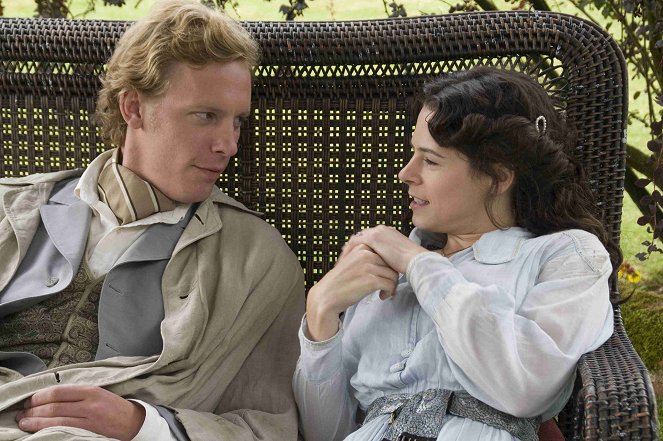
First published in 1908, E.M. Forster’s A Room with a View is a celebrated novel about love, personal freedom and the social conventions that shape people’s lives.
Its story follows Lucy Honeychurch, a young Englishwoman whose experiences in Florence challenge the expectations surrounding her upbringing and romantic future. Torn between social respectability and her growing feelings for George Emerson, Lucy must confront the difference between the life society expects her to lead and the one she genuinely desires.
The 2007 adaptation approaches these themes from a considerably different angle.
Rather than relying primarily on picturesque romance and the visual pleasures of an elegant period setting, Andrew Davies places greater emphasis on the social hierarchy that influences Lucy’s decisions. The production presents class divisions as a powerful obstacle to personal happiness, suggesting that Lucy’s hesitation toward George is rooted not simply in uncertainty about love but also in the social barriers separating them.
This approach gives the adaptation a more grounded and sometimes uncomfortable atmosphere. However, its darker tone also removes much of the wit, lightness and romantic energy that audiences associate with the original story.
What Works — And What Doesn’t

The 2007 production has several qualities worth appreciating, although its weaknesses are difficult to overlook.
Elaine Cassidy’s portrayal of Lucy Honeychurch is among its strongest elements. Her performance is natural and emotionally restrained, capturing the character’s uncertainty and internal conflict without relying on excessive dramatics.
The supporting cast also brings some interesting interpretations to the story. Laurence Fox offers a more layered portrayal of Cecil Vyse, making him a somewhat more sympathetic and appealing character than audiences might expect. This interpretation helps explain why Lucy could feel genuinely constrained by the expectations surrounding a socially suitable marriage.
Visually, the production benefits from the beautiful scenery of Florence and the English countryside. Gabriel Yared’s lively musical score provides another welcome element, adding some energy to a drama that otherwise tends toward a subdued atmosphere.
However, the casting of Rafe Spall as George Emerson proved considerably more divisive.
His interpretation has been criticized for lacking the romantic intensity, confidence and emotional appeal needed to make George a convincing alternative to Cecil. Compared with Julian Sands’ memorable performance in the 1985 film, Spall’s portrayal struggles to establish the same sense of attraction and romantic chemistry.
The overall production design has also received mixed reactions. Although the locations are attractive, the presentation can feel rather conventional, resembling an ordinary television period drama rather than a particularly distinctive cinematic production.
Andrew Davies’ Decision to Put Class Before Romance

One of the most significant creative decisions behind the 2007 adaptation was its determination to make social class central to Lucy and George’s relationship.
Andrew Davies deliberately wanted to explore how deeply class prejudice shaped romantic choices during the Edwardian era. In this interpretation, George is presented as considerably more working-class and socially ordinary than Julian Sands’ polished, romantic version of the character in the 1985 film.
The contrast changes the dynamic between the two central characters. George is no longer simply the unconventional young man who challenges Lucy’s expectations; he also represents a social world that her upbringing has taught her to view with suspicion.
Cecil Vyse receives a similarly different treatment. Laurence Fox gives the character greater complexity and a degree of genuine appeal, making Lucy’s attraction to the security and respectability he represents more understandable.
These adjustments offer a more explicit examination of the social barriers underlying Forster’s story. Rather than presenting the conflict as a straightforward romantic choice, the adaptation explores how wealth, family background and social standing can influence even the most personal decisions.
For viewers interested in the class-conscious themes of the original novel, this is arguably one of the production’s more compelling aspects.
The Ending That Changed Everything

Unfortunately, the adaptation’s most controversial decision comes in its final minutes.
The 2007 production introduces a melancholy framing device involving an older, widowed Lucy returning to Florence. This unexpected narrative development leads to a tragic shift in the story’s emotional direction, fundamentally changing the uplifting resolution audiences familiar with Forster’s romance would normally anticipate.
The problem is not simply that the adaptation chooses a darker interpretation. It is that the change arrives so abruptly that many viewers struggle to reconcile it with the romantic journey that preceded it.
For audiences expecting the familiar emotional payoff of A Room with a View, the final five minutes can feel particularly jarring. Instead of allowing the central love story to conclude on a hopeful note, the production introduces a revisionist ending that substantially alters how the entire narrative is remembered.
This decision became the defining criticism of the adaptation, with some viewers arguing that it undermines an otherwise reasonably enjoyable period drama.
What Viewers Thought of the 2007 Adaptation
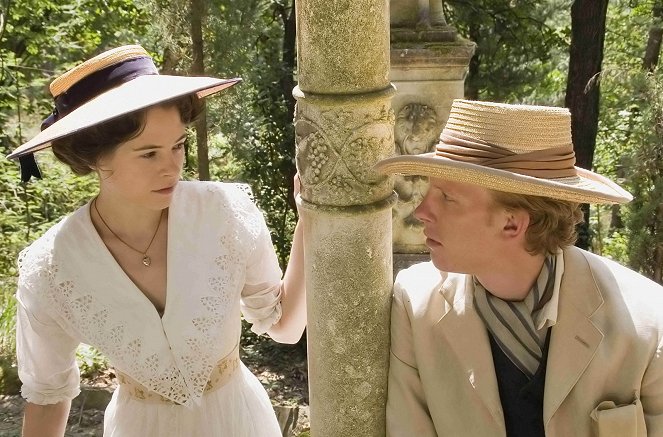
Reactions among period drama fans have been notably divided, particularly when comparisons with the 1985 film enter the discussion.
One recurring criticism concerns the contrast between the production’s promising beginning and its disappointing conclusion. The casting of Rafe Spall and Timothy Spall as the father-and-son Emerson characters initially attracted interest, but some viewers felt that this was among the few genuinely appealing aspects of the adaptation.
One Letterboxd reviewer summed up that disappointment by describing the production as an average, tolerable television movie before expressing particular frustration with its ending.
That reaction reflects a broader problem: the adaptation establishes an interesting foundation but struggles to deliver a satisfying overall experience.
While some appreciate its willingness to examine the uncomfortable realities of class prejudice, others feel that its subdued atmosphere, questionable romantic chemistry and dramatic conclusion prevent it from becoming a memorable interpretation of Forster’s work.
Is A Room with a View (2007) Worth Watching?
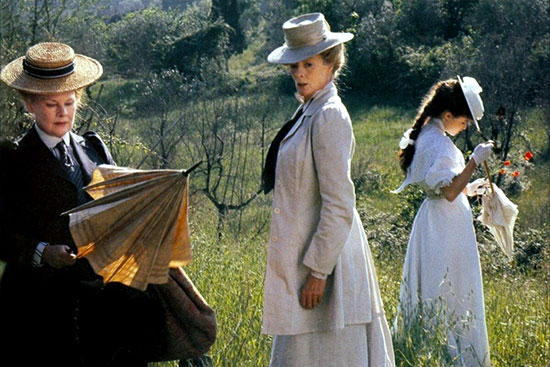
For dedicated fans of Andrew Davies’ period dramas, the 2007 adaptation may still be worth exploring, particularly if they are curious about alternative interpretations of familiar literary classics.
Elaine Cassidy delivers a thoughtful performance as Lucy Honeychurch, Laurence Fox brings additional complexity to Cecil Vyse, and the production offers attractive glimpses of Florence and the English countryside. Its stronger emphasis on class divisions also provides an interesting perspective on the social themes running through Forster’s novel.
However, viewers looking for the definitive screen version will generally find themselves better served by the celebrated 1985 Merchant-Ivory adaptation starring Helena Bonham Carter.
That earlier film remains the more widely admired interpretation, while Forster’s original novel offers an even richer exploration of the characters, social conventions and romantic conflicts at the heart of the story.
Ultimately, the 2007 A Room with a View is an ambitious but deeply divisive production. It deserves some credit for attempting something different, but its sluggish pacing, uneven romantic performances and especially its controversial ending make it difficult to recommend without reservations.
For those who love classic British period dramas, it may be an interesting curiosity — but not every beloved literary romance benefits from being rewritten in a darker key.