Suge Knight Associate ‘Mob James’ on Reluctant Testimony at Tupac Murder Trial: ‘I Didn’t Want to Send a Black Man to Prison’
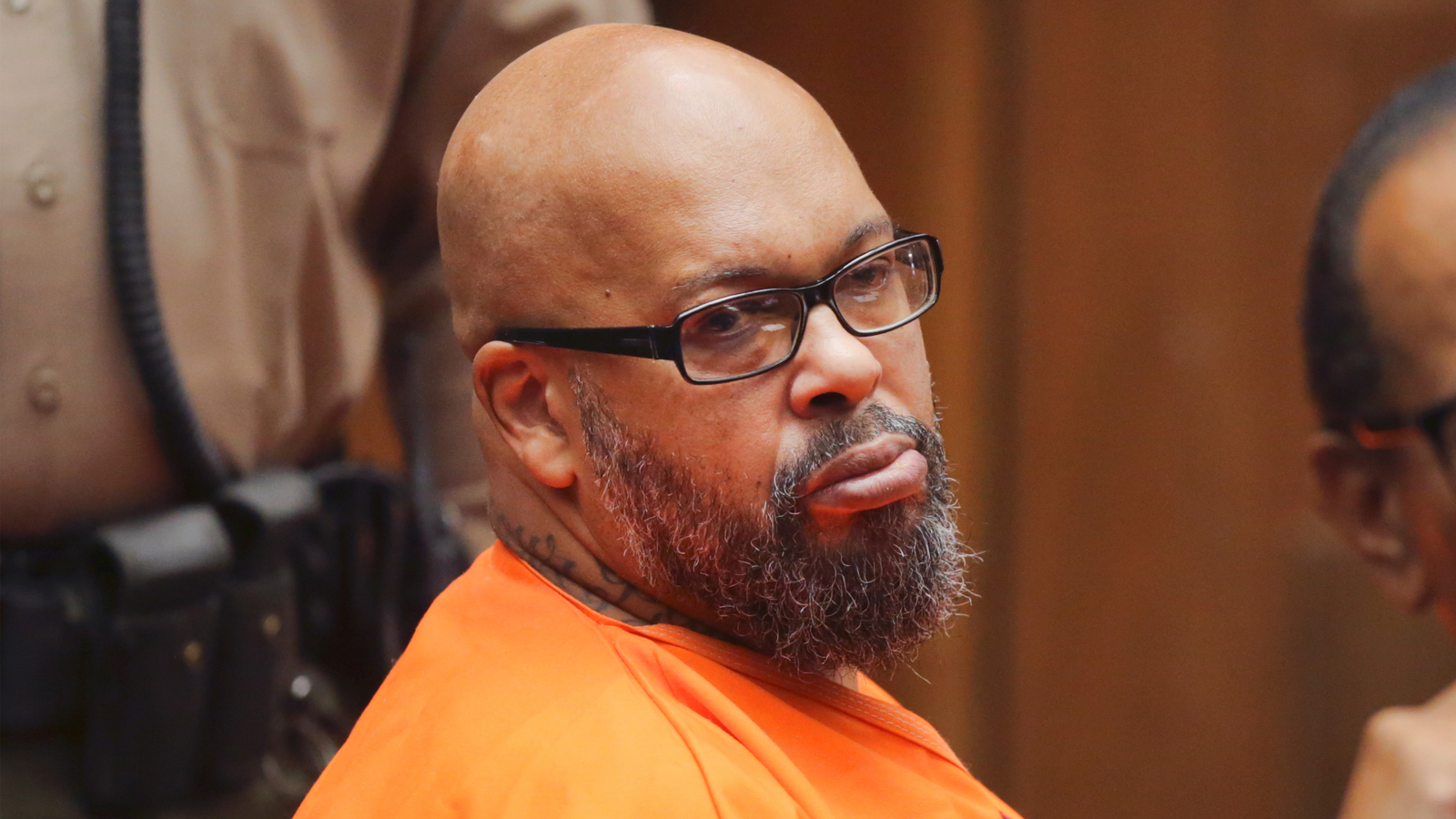
Taking the witness stand in the high-profile murder trial of Duane “Keefe D” Davis, former Death Row Records associate James “Mob James” McDonald delivered dramatic and reluctant testimony, asserting he knew everyone present the night Tupac Shakur was killed while refusing to name names.
Speaking in an exclusive interview following his court appearance in Clark County District Court on August 18, 2026, the 61-year-old former security enforcer for Marion “Suge” Knight revealed that he only testified under subpoena and threat of incarceration, emphasizing his personal refusal to help send another Black man behind bars.

1. Reluctant Witness: Clashing with the Defense in Court
A former member of the Mob Piru Bloods who has since turned his life around, McDonald explained that his faith, family, and past prison time guided his reluctance to aid the prosecution:
“I didn’t want to come. I believe in God, I’m raising my kids, I’m going to church… I came because they forced me to. They told me I would go to jail if I didn’t come,” McDonald shared. “I didn’t want to send a Black man to prison because I have been incarcerated myself. The penitentiary didn’t help me do nothing… I don’t like Keefe D, but I don’t wish that on him.”
Under cross-examination from Davis’s defense attorney, Michael Sanft, tensions flared when Sanft pressed McDonald to identify individuals present after the shooting:
-
Refusal to Name Names: When asked directly to identify those involved, McDonald turned toward the defendant, stating: “Talk to your lawyer, man. This dude is tripping. I’m not gonna explain that. I can’t answer that. I’m not gonna send him to prison.”
-
A Bloody Aftermath: McDonald described how Shakur’s shooting sparked an immediate, violent street war across Compton between the Mob Piru Bloods and the South Side Compton Crips, with members actively hunting down suspects including Orlando “Baby Lane” Anderson.
2. The MGM Grand Brawl: ‘Tupac Was Trying to Prove His Loyalty’
Reflecting on the altercation inside the MGM Grand that precipitated the drive-by shooting on September 7, 1996, McDonald stated that Shakur had never crossed paths with Anderson or Davis prior to that evening:
-
The Stolen Chain Catalyst: The brawl erupted after Death Row associate Trevon “Tre” Lane pointed out Anderson as someone who had previously attempted to steal his Death Row necklace.
-
A Fatal Misstep: “Tupac didn’t know Orlando. He didn’t know Keefe D. He ain’t never seen these people,” McDonald explained. “Tupac was told ‘That’s him that tried to take my chain,’ and Tupac took off to prove his loyalty and it cost him his life. He should have minded his business… Suge should have got Tupac out of there.”
-
The Escalating Cycle of Retaliation: McDonald noted that the deadly fallout reached far beyond Las Vegas, claiming the subsequent murder of Christopher “The Notorious B.I.G.” Wallace in 1997 was an inevitable repercussion in the violent street logic of that era: “Someone from Bad Boy had to go and someone had to pay the price for Shakur… It’s just unfortunate they all killed each other for nothing.”

3. Conflicting Testimonies and Defense Arguments
Following McDonald’s appearance, former head of Death Row security Reggie Wright Jr. took the stand, analyzing security footage from the MGM Grand lobby and identifying members of Knight’s entourage:
-
Challenging Agendas: McDonald openly questioned Wright’s perspective and motives outside the courtroom, noting that Shakur’s death destabilized the entire enterprise and sent associates back to street violence.
-
Defense Strategy: Davis’s attorney, Michael Sanft, argued that Davis’s past admissions—including his 2019 memoir Compton Street Legend and 2008 proffer—were fabricated for entertainment and money. Sanft highlighted that the state lacks credit card receipts, photographs, or physical evidence placing Davis at the MGM Grand that night.
With over 200 potential witnesses slated to testify over the estimated month-long trial, McDonald’s raw testimony underscores the enduring trauma, street codes, and unresolved questions surrounding hip-hop’s most infamous cold case.