Jonas Kaufmann’s “Cielo e mar” Isn’t Really About the Sky or the Sea
HE ISN’T SINGING TO THE NIGHT — HE IS WAITING FOR THE WOMAN WHO COULD CHANGE EVERYTHING.
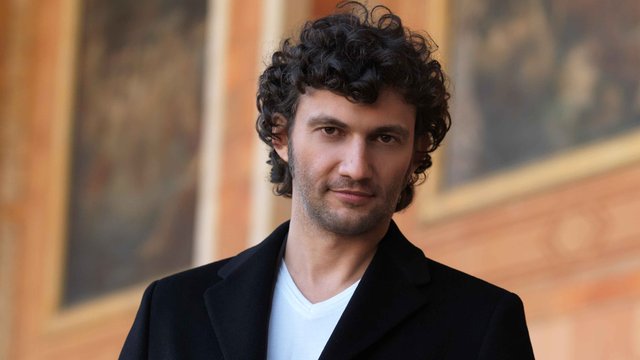
At first, the scene appears almost peaceful.
A man stands beneath an open sky, surrounded by the stillness of the sea. The orchestra rises gently behind him, and Jonas Kaufmann begins one of Italian opera’s most celebrated tenor arias: “Cielo e mar”—“Sky and Sea.”
But the beauty of the moment hides something far more urgent.
This is not simply a song about nature. It is the sound of a man waiting for someone he loves, unsure whether she will come—and knowing that their reunion could place them both in danger.
That emotional tension is what gives Kaufmann’s performance its extraordinary power.
A Beautiful Night Filled With Uncertainty
“Cielo e mar” appears in Act II of Amilcare Ponchielli’s La Gioconda. Kaufmann sings the role of Enzo Grimaldo, who is aboard his ship waiting for Laura, the woman he hopes to escape with. As Enzo looks across the night, the sky and sea seem to reflect his anticipation.
The aria sounds expansive and romantic, but Enzo is not completely at peace.
Every beautiful phrase carries an unanswered question:
Will Laura actually appear?
Kaufmann allows that uncertainty to remain inside the music. He does not treat the aria as a simple display of volume or vocal brilliance. The opening feels restrained, almost private, as though Enzo is speaking thoughts that no one else is meant to hear.
Then the emotion begins to grow.
The voice expands. The orchestral colors deepen. What began as quiet admiration of the night becomes an increasingly intense declaration of longing.
The Detail That Changes the Entire Aria
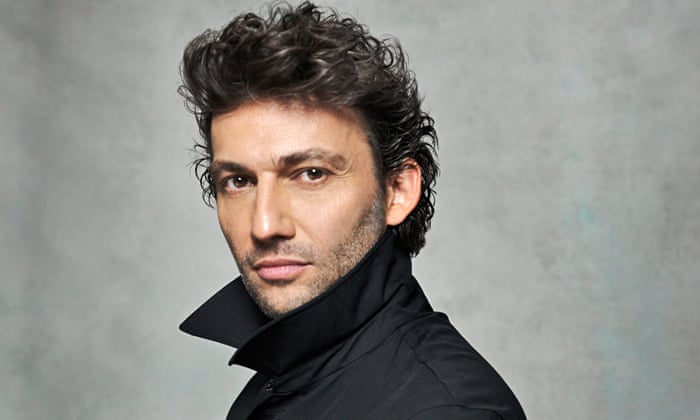
The most revealing part of the scene is easy to overlook.
Enzo is surrounded by immense beauty—but none of it is enough.
The sky, the sea and the moonlit atmosphere only make Laura’s absence feel more powerful. Everything appears ready for a perfect reunion, except for the person he is waiting to see.
That is the emotional contradiction at the center of “Cielo e mar.”
It sounds like freedom.
Yet Enzo is trapped inside expectation.
It sounds like certainty.
Yet he does not know whether the woman he loves will arrive.
And it sounds like a triumphant romantic declaration, even though the audience knows that the world of La Gioconda is filled with jealousy, deception and danger.
Why Kaufmann’s Interpretation Feels So Personal
Kaufmann is known for bringing dramatic weight to operatic roles rather than treating arias as isolated vocal showcases. In this performance, his darker tenor color gives Enzo’s hope a shadow of vulnerability.
The high phrases still soar, but they do not feel emotionally effortless.
They sound earned.
His controlled beginning makes the later expansion more effective. Instead of revealing everything immediately, Kaufmann allows the aria to unfold as Enzo’s anticipation becomes impossible to contain.
The performance therefore works on two levels.
Vocally, it offers the sustained line, power and climactic intensity expected from a major tenor aria. Dramatically, it captures a man trying to convince himself that the night will end exactly as he hopes.
Kaufmann has performed Enzo in full productions of La Gioconda, including performances in Naples in 2024, and has described the opera as a work that is not staged frequently.
One Question Remains Beneath the Final Note
By the end of the aria, Kaufmann’s voice appears to fill the entire horizon.
For a moment, Enzo seems certain that love is approaching across the water.
But the real tension has never disappeared.
Is he celebrating a reunion—or singing before everything begins to unravel?
That unanswered question is why “Cielo e mar” remains more than a beautiful tenor showpiece. The aria captures the exact moment when hope feels limitless, even though danger may already be moving closer.
Jonas Kaufmann does not simply sing about the sky and the sea.
He sings about the unbearable distance between waiting for someone—and finally seeing them arrive.