‘The Diplomat’ Stars Praise Deborah Cahn’s Writing as Season 4 Brings New Energy and Deeper Character Dynamics
As The Diplomat returns for its fourth season, stars Keri Russell and Rufus Sewell are praising the writing that has helped make the political drama stand out, highlighting its ability to balance high-stakes international crises with the intimate, everyday moments that make its characters feel real.
Speaking with Brad Gilmore of ESPN and The CW, based in Houston, Texas, the actors discussed the show’s continued creative consistency, the natural chemistry between its central characters, and the impact of introducing new cast members Allison Janney and Bradley Whitford into an already established ensemble.
For Sewell, the strength of the series begins with the script itself.
Rufus Sewell Says the Writing Remains the Show’s Greatest Strength

After three seasons of developing its characters and relationships, returning for a fourth season could present a challenge for a series trying to recapture its original voice. However, Sewell explained that The Diplomat has maintained a remarkable sense of continuity because of the quality of its writing.
“The hero of this show is the writing,” he said, emphasizing how much of the series’ success is already established on the page.
Sewell explained that the scripts continue to feel consistent with the show’s earlier seasons, allowing the actors to return to their characters without struggling to rediscover their voices.
He noted that on some productions, changes in the writing team can make it difficult to maintain a recognizable tone. In contrast, he said that when he sees his dialogue in The Diplomat, it immediately feels natural and right for the character.
By the fourth season, the actors have also accumulated years of experience working together, giving their performances an additional layer of familiarity and depth.
For Sewell, that history makes the series increasingly rewarding. The established relationships and rapport between the cast members allow the characters to develop without losing the qualities that audiences have come to recognize.
The Small Moments That Make Kate and Hal’s Relationship Feel Real
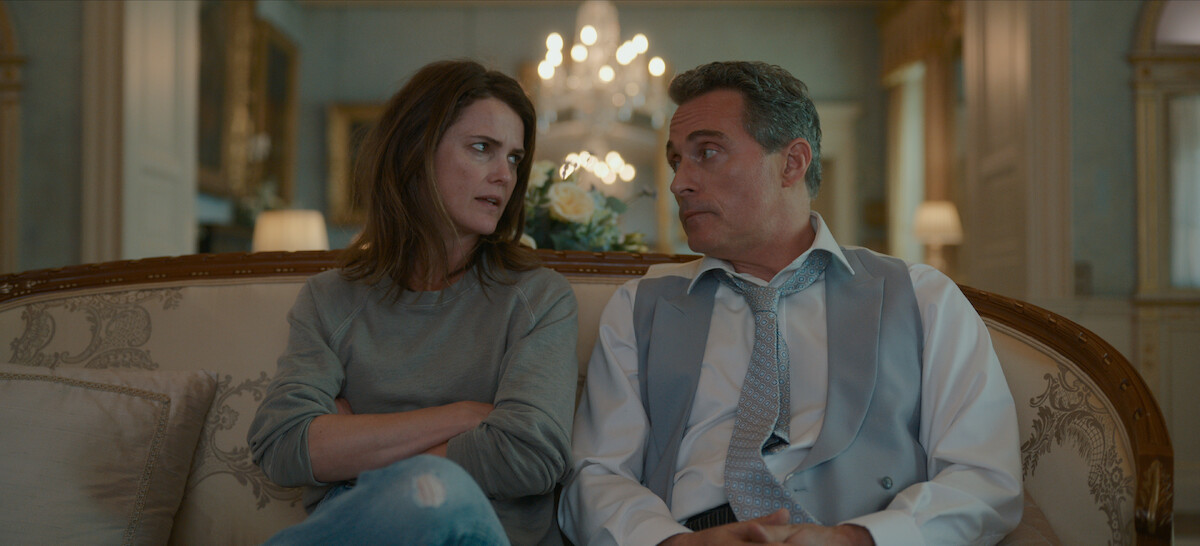
While The Diplomat is known for its political confrontations, diplomatic maneuvering and extraordinary circumstances, Russell and Sewell believe some of its most effective scenes are the quieter moments between its characters.
During the interview, Gilmore highlighted a scene in the fourth season involving a splinter, in which one character wants to help the other remove it. Although the moment is relatively small, it captures something important about the relationship between Kate and Hal Wyler.
Even after an intense argument, a couple can still instinctively care for one another. That contrast between conflict and tenderness is what makes their relationship feel recognizable beyond the political world they inhabit.
Sewell credited writer Deborah Cahn with capturing this sense of authenticity. He explained that the characters might be arguing about international politics one moment, only to become distracted by an everyday problem the next.
Whether they are trying to find a sandwich, fixing their clothes or dealing with a splinter, these ordinary concerns bring the characters back to a familiar human level.
The result is a relationship that feels lived-in rather than constructed solely around dramatic confrontations.
Russell echoed that sentiment, explaining that these small interactions are particularly satisfying for actors to perform. The characters can be shouting at each other or engaging in deeply personal arguments, yet an immediate change in circumstances can remind them that they are still a couple.
For Russell, those moments reveal the emotional complexity beneath the conflict. The arguments do not erase the affection or the instinct to help one another.
That balance, she suggested, is one of the reasons Cahn’s writing works so well.
Keri Russell and Rufus Sewell Trust Their On-Screen Chemistry

When asked how they prepare for emotionally intense confrontations and quieter, more intimate exchanges, the actors indicated that extensive discussions are rarely necessary.
Sewell explained that he can read a scene and feel ready to begin working on it. The process then develops through rehearsal, with the performance evolving naturally as the actors explore the material together.
Rather than relying on elaborate preparation or trying to manufacture chemistry, Russell and Sewell benefit from their established understanding of their characters and each other’s acting styles.
Their familiarity allows them to move between the show’s different emotional registers, from explosive arguments to subtle expressions of care, without making those transitions feel forced.
That trust is especially important for a series in which personal relationships and political tensions frequently collide. Kate and Hal must navigate professional responsibilities, competing loyalties and the consequences of their decisions while continuing to function as a married couple.
The actors’ ability to respond naturally to one another helps preserve the unpredictability of those interactions while keeping the characters emotionally grounded.
Allison Janney and Bradley Whitford Bring Fresh Energy to Season 4
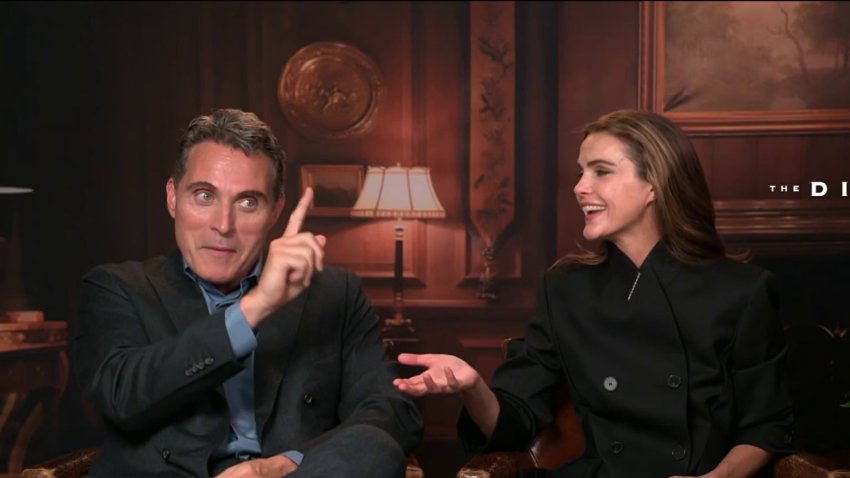
The fourth season also introduces additional creative possibilities through the involvement of Allison Janney and Bradley Whitford, two established performers whose presence adds new dimensions to the ensemble.
Sewell welcomed the impact of the newcomers, describing their contributions as a different voice within the show’s larger chorus.
He explained that every actor brings a distinct rhythm, cadence and performance style. Bringing those differences together gives the ensemble a fresh energy, creating new possibilities for the characters to interact and conflict with one another.
Sewell singled out Whitford’s comedic abilities, describing him as particularly hilarious, while also praising the talent both actors bring to the production.
For a series that has already established a strong identity across three seasons, the additions offer a way to refresh the dynamic without abandoning what has made the show successful.
Their presence introduces different rhythms and personalities into the established world of The Diplomat, giving the cast new material to work with and expanding the range of potential conflicts.
As Sewell suggested, the additions do not detract from the existing ensemble. Instead, they inject more energy and life into it.
Why the Actors Rarely Feel the Need to Change the Dialogue
The conversation also turned to whether Russell and Sewell ever suggest changing lines while filming, even when they believe a particular exchange could be delivered differently.
Sewell revealed that Cahn had given him permission early on to adjust the dialogue if necessary. Knowing that he had that flexibility was helpful because it removed some of the pressure surrounding the performance.
However, he said he had never felt a need to take advantage of it.
By this stage, Cahn understands the actors’ voices, their rhythms and the way they naturally deliver their lines. That familiarity makes the dialogue easier to perform because it already feels suited to the people speaking it.
Russell and Sewell also acknowledged the value of having such carefully constructed scripts in a story involving government agencies and complex political situations. Much of the dialogue requires a level of specificity that would be difficult to reproduce through spontaneous improvisation.
The strength of the writing allows the actors to concentrate on their performances rather than trying to invent alternative lines.
For Sewell, the result is a production in which the dialogue feels natural without sacrificing the precision required by the story.
Strong Writing Continues to Define ‘The Diplomat’

Throughout the interview, Russell and Sewell returned to the same central idea: the show’s writing provides the foundation for everything else.
The political stakes give The Diplomat its urgency, while the performances bring its characters to life. Yet it is the combination of those elements with carefully observed personal details that allows the series to move between international crises and the private realities of its central relationship.
As the fourth season builds on the history established in the previous three, the actors believe that familiarity has become an advantage rather than a limitation.
The characters have developed recognizable voices, the cast has established a strong rapport, and Cahn’s writing continues to give them material that feels both distinctive and authentic.
With Janney and Whitford adding fresh energy to the ensemble, the new season has another opportunity to expand the show’s dramatic possibilities while preserving its defining strengths.
For Russell and Sewell, the appeal of The Diplomat lies not simply in its political twists or its biggest confrontations, but in the smaller moments that reveal who these characters are when the arguments temporarily come to an end.