Which Streaming Series Are Worth Binge-Watching?
With three streaming platforms releasing around 33 hours of new drama over just two days, viewers face a familiar modern dilemma: there is more television to watch than time available. But when entire seasons arrive at once, which shows genuinely deserve hours of your attention, and which are better left unwatched?

In this review, television critic Matt Roush examines three very different releases: Amazon’s alternate-history thriller The Man in the High Castle, Netflix’s superhero noir Marvel’s Jessica Jones, and Crackle’s art-world drama The Art of More. While one series proves almost impossible to stop watching, another struggles under the weight of its own ambitions, and the third fails to make the most of an intriguing premise.
An Alternate America Under Totalitarian Rule: The Man in the High Castle
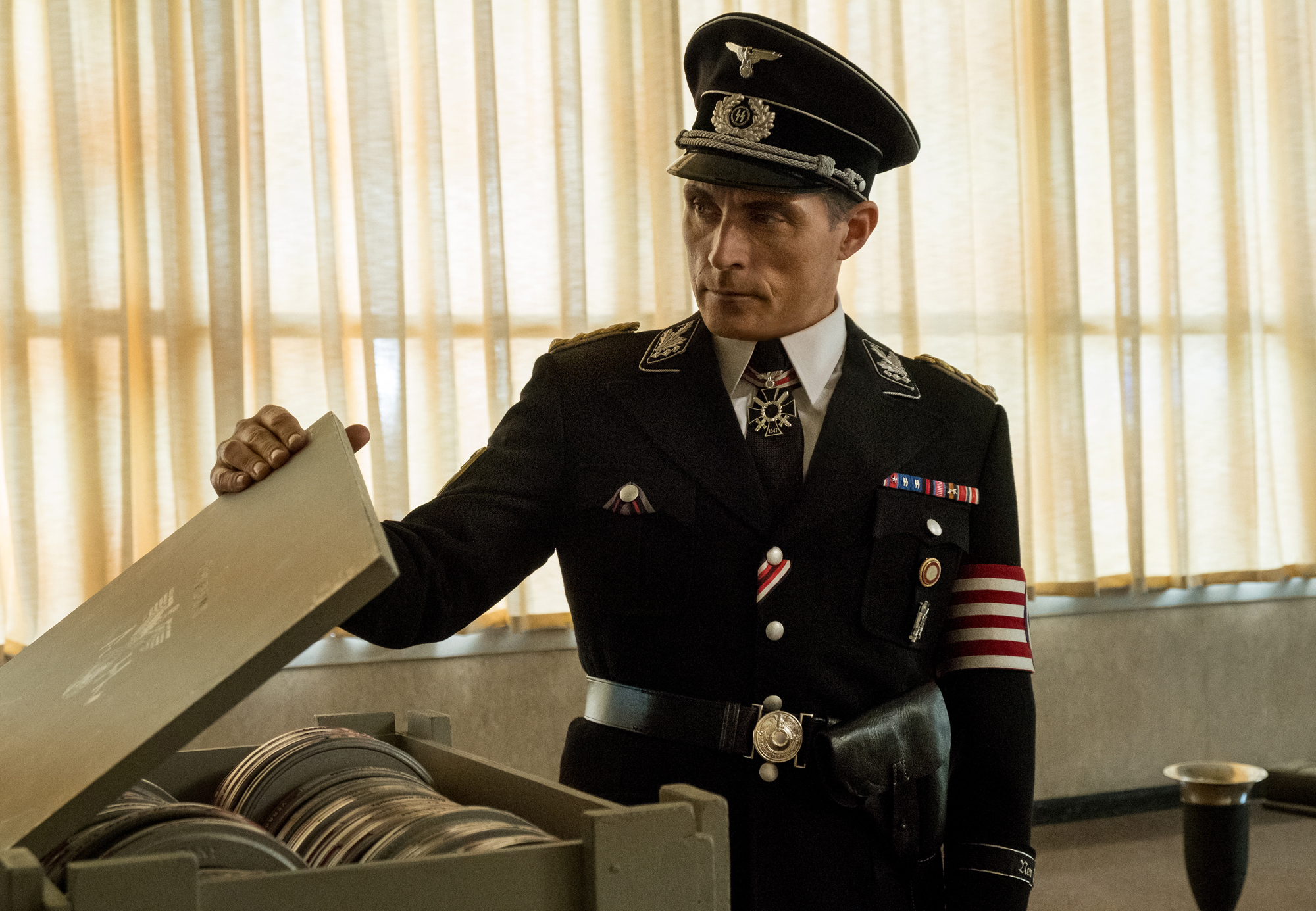
Of the three series, Amazon’s 10-episode The Man in the High Castle, released on Friday, November 20, 2015, made the strongest impression on Roush. Despite generally resisting the temptation to binge-watch, he found himself deeply absorbed in its unsettling vision of a world transformed by a different outcome to the Second World War.
Adapted by Frank Spotnitz, known for The X-Files, from Philip K. Dick’s novel, the series imagines an America conquered by the Axis powers. Instead of emerging victorious, the Allies have lost the war, leaving the country divided between two authoritarian regimes: the Greater Nazi Reich in the East and the Japanese Pacific States in the West.
The result is a disturbing alternate version of the United States. Times Square is dominated by an enormous swastika, while suburban neighbours exchange cheerful Nazi salutes as though they were ordinary greetings. These details make the fictional world particularly chilling because they transform familiar American surroundings into symbols of oppression.
Set in an alternative 1962, the series combines the atmosphere of a classic espionage thriller with the surreal unease of dystopian science fiction. Each episode builds towards suspenseful cliffhangers that make it difficult to resist starting the next one. Roush watched six episodes consecutively and would have continued through the remaining four if they had been available to him.
The story initially follows two young people drawn into a loosely organised resistance movement. Juliana Crain (Alexa Davalos) lives in San Francisco, while Joe Blake (Luke Kleintank) comes from New York. Both possess illegal newsreels containing images that could undermine the regimes controlling their country.
In this pre-digital world, the footage becomes a dangerous form of contraband. Its significance reaches far beyond the information it contains, threatening the foundations of the political order and placing those who possess it in grave danger.
Meanwhile, relations between the occupying powers threaten to deteriorate into nuclear conflict. Trust becomes almost impossible, and even the mysterious figure known as the Man in the High Castle remains difficult to understand. He is collecting the forbidden footage, but his ultimate intentions are initially unclear.
For Roush, the series’ combination of political paranoia, inventive world-building and relentless suspense makes it the standout release of the three. Its dark vision may be fictional, but it feels unsettlingly plausible.
A Damaged Superhero in a World of Noir: Marvel’s Jessica Jones

Netflix’s 13-episode Marvel’s Jessica Jones, which also premiered on Friday, November 20, 2015, takes a very different approach to the superhero genre. Rather than presenting an uncomplicated champion of justice, the series introduces a troubled private investigator who would prefer to keep her extraordinary abilities hidden.
Krysten Ritter stars as Jessica Jones, a sharp-tongued freelance detective whose superhuman strength sets her apart from the public around her. Beneath her cynical humour and provocative manner, however, lies a woman struggling with psychological wounds and an uneasy relationship with her own abilities.
Jessica belongs to a growing tradition of complicated female television heroes, alongside characters such as Buffy Summers and Veronica Mars. Yet the series surrounds her with a stylish film-noir atmosphere that can also feel oppressive, reinforcing the sense that she is trapped by her past as much as by the dangers of her present.
She treats her powers almost like a shameful personal affliction. Her relationship with Luke Cage, played by Mike Colter, introduces another layer of physical intensity, while also connecting her story to Marvel’s expanding television universe.
Jessica is intended to become part of a future Defenders team alongside Daredevil, whose own series had premiered earlier in 2015. This broader plan gives the show a clear place within the franchise, but Roush questions whether Jessica’s story is strong enough to sustain an entire season on its own.

The central conflict pits her against Kilgrave, a mind-controlling villain portrayed by David Tennant with flamboyant menace. Their confrontation provides the backbone of the season, but the extended 13-episode structure sometimes makes the narrative feel unnecessarily prolonged.
Although Ritter brings attitude and vulnerability to the role, Roush finds Jessica insufficiently distinctive or mythic to carry the series as effectively as its creators might hope. The result is an adaptation with intriguing ideas and provocative moments that could have benefited from a tighter story.
Roush acknowledges that fans of the comics may happily consume the entire season in one sitting. Nevertheless, he questions the broader strategy behind Netflix’s expanding Marvel productions. Rather than giving each character an extended standalone series, he suggests that shorter films lasting two to four hours could have introduced the heroes before bringing them together in an ensemble show.
After watching the first two Marvel adaptations, he worries that the franchise’s approach risks becoming excessive. In an era already crowded with television, creating one series to lead into another can feel like more content than viewers can reasonably absorb.
His criticism is not necessarily that Jessica Jones lacks merit, but that its 13-episode format stretches a promising concept beyond its natural limits.
An Art-World Drama With Little Substance: The Art of More

Compared with the ambitious worlds of the other two series, Crackle’s 10-episode The Art of More offers a more grounded premise. Released on Thursday, November 19, 2015, the drama takes viewers into the high-stakes world of auction houses, where unscrupulous dealers compete for priceless collections and wealthy clients.
The setting provides plenty of potential for a story about greed, ambition and the questionable ethics of the art market. Unfortunately, Roush argues that the series undermines its own concept with thin characterisation and unconvincing dramatic conflicts.
Christian Cooke stars as Graham Connor, a hustler and former soldier whose involvement in a scheme involving Iraqi treasures continues to haunt him. As he attempts to build his career, he pursues the business of Sam Brukner, an obnoxious real-estate tycoon played by Dennis Quaid.
Quaid approaches the role with broad, exaggerated energy, creating a character whose mannerisms invite comparisons to a caricature of Donald Trump. Rather than adding complexity to the drama, the performance contributes to the show’s tendency towards overstatement.
Graham’s principal rival is played by Kate Bosworth, whose character is portrayed as a brittle figure from the upper reaches of the art world, burdened by unresolved issues involving her father. Yet these personal conflicts do little to make the characters feel convincing or emotionally engaging.
For Roush, the series’ distinctive auction-house setting is not enough to compensate for its shallow writing. The premise promises an intriguing examination of wealth, culture and ruthless competition, but the drama never develops those ideas into something particularly compelling.
Ultimately, The Art of More feels less like a polished prestige drama than an underwhelming exercise in excess. Its shortcomings even lead Roush to appreciate the virtues of traditional weekly television, where a more measured release schedule can give viewers a welcome break from the pressure to consume an entire season at once.
The Verdict: Is Binge-Watching Always Worth It?

These three releases illustrate both the appeal and the limitations of streaming television in 2015.
The Man in the High Castle stands out for its imaginative premise, unsettling alternate history and expertly constructed suspense. Marvel’s Jessica Jones offers a compelling lead character and a distinctive noir atmosphere, but its lengthy season occasionally weakens the story. The Art of More, meanwhile, struggles to turn its promising setting into a satisfying drama.
For viewers deciding where to invest their time, Roush’s verdict is clear: not every series benefits from being watched in one marathon session, and not every intriguing premise delivers on its promise. In a television landscape overflowing with new releases, the real challenge is no longer finding something to watch. It is deciding which stories are genuinely worth the hours they demand.