Congratulations!
You've earned 1 point
Broadway knows how to mourn its legends—with lights, with crescendos, with voices pushed to the edge of what they can bear. The house was full that night, velvet seats occupied by composers, performers, and generations of artists who had learned to listen because Sondheim taught them how. Programs were simple. The stage was bare. A single piano waited under a soft wash of light.
Carole King took her place first, hands settling on the keys with the ease of someone who understands that songs don’t need to announce themselves. Barbra Streisand followed, elegant and still, a presence that could command a room without moving a muscle. When Céline Dion stepped into the light beside them, the audience braced instinctively—for power, for range, for the note everyone associates with her name.
It never came.

The song began quietly, its melody shaped by restraint rather than release. Céline entered gently, her voice lowered, almost conversational. It felt deliberate—an artistic decision that asked the audience to lean in rather than sit back. People shifted in their seats, confused at first, then attentive.
Midway through the arrangement, the moment arrived—the place where the high note usually lives. The space opened. The orchestra thinned. Every instinct in the room expected the lift, the surge, the release that would bring people to their feet.
Céline didn’t take it.
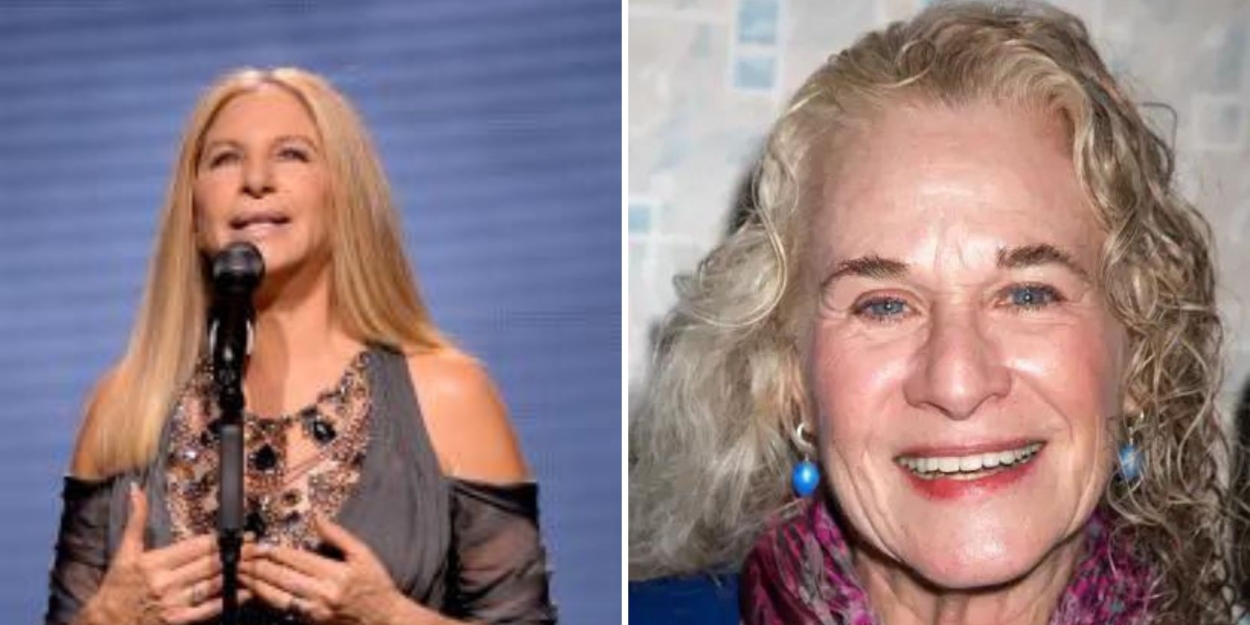
She stayed grounded, choosing a softer line that traced the melody instead of conquering it. The effect was startling. Without the familiar crescendo, the lyric stood exposed—vulnerable, human, unprotected by spectacle.
Barbra Streisand glanced toward her, a look that carried recognition rather than surprise. Carole King eased the tempo just enough to let the choice breathe.
When the final chord faded, there was a pause—longer than applause, shorter than silence. Céline stepped forward and spoke, not to the audience at large, but to the memory that had brought them together.
“He taught me,” she said quietly, “that restraint is also power.”
The line landed with the weight of a lesson learned late and well.
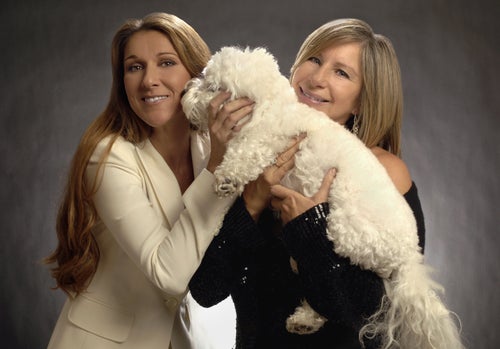
Stephen Sondheim had never written music to flatter voices. He wrote to challenge them—to force performers to choose meaning over muscle, intention over volume. In that refusal, Céline honored him more precisely than any show-stopping note ever could.
Barbra added nothing. Carole King closed the piano lid gently. No encore followed. The audience stood—not in celebration, but in acknowledgment.
That night on Broadway, three women who defined eras did something rarer than a collaboration. They agreed to be smaller than their reputations, trusting that the song—and the man it honored—deserved nothing less.
Sometimes the bravest note is the one you don’t sing.
And in the quiet she chose, Céline Dion reminded everyone why Stephen Sondheim’s legacy endures: not because he taught artists how to soar, but because he taught them when not to.