She didn’t choose the hit. She chose the truth.
What unfolded that night wasn’t a comeback, a collaboration, or a surprise for headlines. It was a decision — quiet, deliberate, and irreversible.
The venue was intimate by design. No towering screens. No explosive lighting cues. Just a warm amber glow, a small band set low behind the stage, and an audience that believed it was there for a familiar night of music.
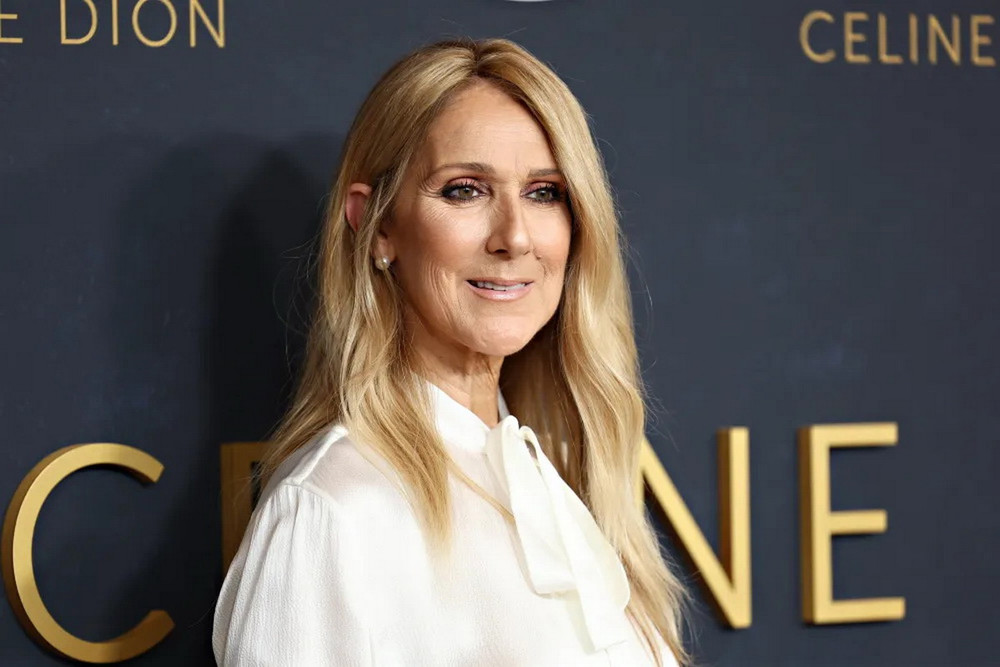
Céline Dion walked out first.
Not in the way legends usually do — no dramatic pause, no swelling applause demanded by choreography. She nodded once, smiled gently, and took her place as if she were stepping into a living room rather than onto a stage.
“I don’t want to sing the song you expect tonight,” she said softly. “I want to sing the one that stayed with me.”
A ripple moved through the room — curiosity, not confusion.
Then she turned to her right.
John Mayer stepped into the light.
The reaction came instantly. Gasps. Hands to mouths. A quick, electric hum of disbelief. Mayer looked different than usual — stripped back, no bravado, no guitar theatrics. Just a man holding an instrument like a question he wasn’t sure he wanted answered.
They didn’t exchange greetings. They didn’t introduce each other. They didn’t need to.
The piano set the tempo — slower than the recorded version, heavier. The song was recognizable, a fan favorite, a track people had lived inside for years. It had always been praised for its elegance, its restraint, its radio-perfect arc.
But something was off.
The melody lingered longer. The pauses stretched. Céline sang the first verse with a tenderness that felt almost cautious, as if she were approaching a memory rather than a microphone.
Then John Mayer began his verse.
And that’s when the room felt it.
The words weren’t the same.
Not entirely.
The familiar lines gave way to something rawer — a verse that hadn’t existed in any release, any live performance, any archive fans knew by heart. His voice lowered, rougher around the edges, and the story shifted.
He sang about unlocking a door to a house that no longer answers back.
About the echo of footsteps that aren’t there.
About standing in a quiet kitchen, realizing that silence can be louder than grief.
The crowd froze.
This wasn’t poetic sadness. It was domestic truth — the kind you don’t dress up because it loses its power when you do.
Céline watched him as he sang, not as a collaborator waiting her cue, but as someone listening for the first time too.
When the verse ended, John didn’t move into the chorus.
He stopped.

“I didn’t think this verse should ever be heard,” he said into the microphone, his voice steady but unguarded. “I wrote it late one night and decided it was too much. Too honest. Too… empty.”
The band waited. No one rushed him.
“That kind of fear,” he continued, “doesn’t belong on the radio.”
Céline took a step closer.
“That’s why it must,” she said — not loudly, not defiantly. Just clearly.
The line landed like a key turning in a lock.
She turned back to the audience.
“We all love the parts of songs that sound finished,” Céline said. “But the parts that save us are usually the ones we hide.”
She began to sing again — not the chorus as fans knew it, but a response to the verse John had just revealed. Her voice didn’t soar. It settled. It stayed grounded, singing not about filling the emptiness, but about learning how to sit inside it without running.
She sang of coming home alone and not turning on the lights right away.
Of leaving a coat on a chair because it feels like company.
Of understanding that loneliness isn’t failure — it’s evidence that love once lived there.
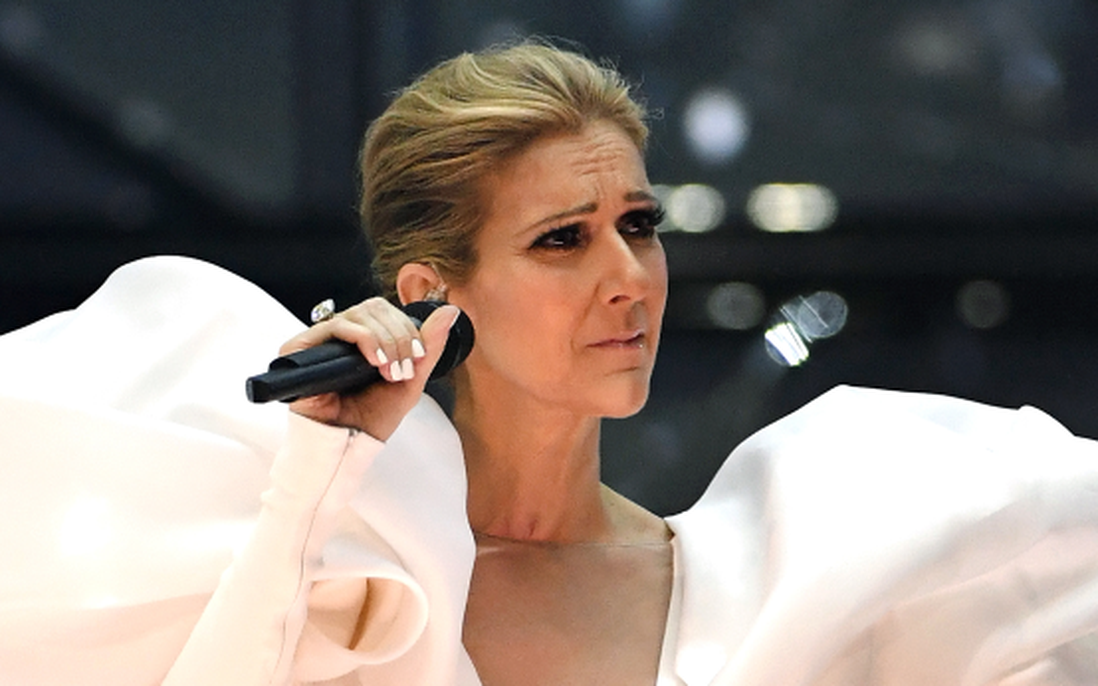
John joined her then, not above her, not beneath her — beside her.
Two voices, different textures, same weight.
As the song unfolded, something remarkable happened in the room. People stopped reacting. No phones lifted. No whispers passed. Couples didn’t reach for hands. Everyone simply listened — the way you listen when you recognize yourself in someone else’s courage.
When the final note faded, neither of them rushed to acknowledge the applause.
Céline looked out over the audience.
“This version,” she said gently, “is not for the charts. It’s for the nights when you walk into a place that remembers you… and you don’t know how to answer back.”
The applause that followed was different — not explosive, not celebratory. It was sustained, grateful, almost careful. As if clapping too loudly might break what had just been shared.
Backstage later, people would say John Mayer sat quietly for a long time, guitar resting untouched beside him.
“I didn’t know if I was ready for that verse to exist,” he admitted to someone nearby.
Céline smiled.
“Truth doesn’t ask if we’re ready,” she said. “It just waits.”
That night would never be replayed exactly the same way again. Fans would talk about it in hushed tones. Critics would praise the bravery of stripping a song down to its bones. But those who were there understood something deeper.
They hadn’t witnessed a surprise duet.
They had witnessed a choice.
To abandon what works.
To resist what sells.
To give space to the parts of love and loss that don’t resolve neatly.
Céline Dion didn’t choose the hit that night.
She chose the truth —
and in doing so, reminded everyone in the room that the most powerful music isn’t the kind that fills arenas…
It’s the kind that walks you home, turns the key, and sits with you in the quiet until you’re ready to breathe again.